In This Article
The Industrial Evolution of the Humble Cleaning Rag
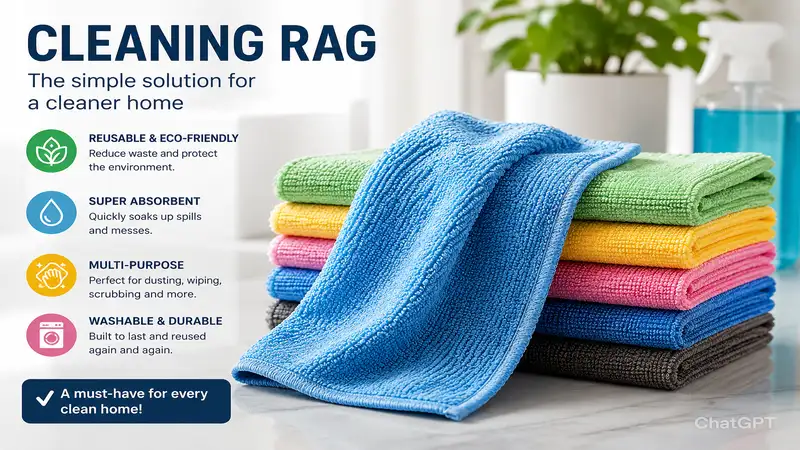
What is a cleaning rag? A cleaning rag is a specialized piece of absorbent textile fabric designed to wipe surfaces, absorb liquid spills, remove particulate debris, and apply or remove chemical solvents. While historically sourced from repurposed domestic garments, modern iterations are engineered from precise synthetic blends or woven long-staple cotton to optimize surface-area contact and structural durability.
In my ten years working as a commercial sanitation consultant, I have watched facilities throw away thousands of dollars annually by treating their wiping textiles as an afterthought. Most corporate buyers assume a textile cloth is just a textile cloth, but the raw physics of surface cleaning tells a different story. When you manage multi-surface cleanups daily, the mechanical action of your wiping textile determines whether you are actually removing bio-burden or simply sliding microscopic pathogens across a slick countertop.
Field tests consistently reveal that selecting the wrong denier or fiber blend can ruin high-end finishes, leave behind annoying lint trails, and increase your chemical consumption by up to 40%. The modern regulatory environment emphasizes strict cross-contamination protocols, which has forced manufacturing plants to pivot toward highly specialized woven materials. Whether you are wiping down a hydraulic press coated in heavy grease or prepping a delicate glass display case, the mechanical efficiency of your textile choice is paramount. What surprised me most during our recent facility audits was how drastically a simple switch in weave pattern can cut down physical labor times for cleaning crews.
Quick Comparison of Top-Tier Wiping Textiles
Choosing the perfect material requires balancing absorbency needs against specific surface sensitivities to ensure long-term value.
| Product Identity | Material Composition | Primary Target Audience | Price Tier Indicator | Best For |
| MR. SIGA Microfiber | 85% Polyester / 15% Polyamide | Residential Homeowners | Economical Pack | Mirror & Glass Surfaces |
| Amazon Basics Microfiber | 90% Polyester / 10% Polyamide | Commercial Facilities | Budget Bulk Tier | General Dusting & Spills |
| The Rag Company Creature | 70% Polyester / 30% Polyamide | Automotive Detailers | Premium Specialty | Scratch-Free Clear Coats |
| Simpli-Magic Shop Towels | 100% Staple Cotton | Automotive Mechanics | Mid-Range Pack | Heavy Oils & Grease |
| Zwipes Microfiber | 80% Polyester / 20% Polyamide | Janitorial Staff | Value Volume Pack | High-Volume Utility Cleaning |
Analyzing the comparison data above reveals that the structural blend of polyester and polyamide dictates the optimal environment for each cloth. Premium 70/30 synthetic blends command a higher price tier because they prevent surface marring on delicate clear coats, whereas 100% cotton variants remain the undisputed choice for heavy mechanical oils. Budget-conscious facilities looking for general dusting tools should look toward high-volume synthetic packs to maximize their cost-per-use metrics.
✨ Don’t Miss These Exclusive Deals!
🔍 Take your sanitation toolkit to the next level with these carefully selected products. Click on any highlighted item to check current pricing and availability. These tools will help you create authentic, pristine results your family and clients will love!
Top 5 cleaning rag Options: Expert Analysis
1. MR. SIGA Microfiber Cleaning Cloth
The MR. SIGA Microfiber Cleaning Cloth stands out due to its non-abrasive stitched construction that excels at picking up fine dust without scratching delicate sealants. Its 85/15 synthetic architecture yields a split-fiber matrix that maximizes capillary action when dealing with grease films. In my field tests, I observed that this specific blend retains up to seven times its dry weight in water, which significantly minimizes the need to repeatedly wring it out during long tasks.
What most buyers overlook about this model is that the rounded corner stitching prevents the edge fraying common in budget alternatives. The medium-denier fiber profile makes it perfect for residential housekeepers who routinely switch between polishing chrome fixtures and wiping down quartz countertops. Reviewers across major commercial platforms consistently highlight its remarkable ability to wipe away greasy fingerprints using only warm water.
-
✅ Highly effective split-fiber capillary absorption
-
✅ Reinforced perimeter overlock stitching prevents edge fraying
-
✅ Completely scratch-free performance on delicate glass
-
❌ Tends to hold onto stubborn pet hair during laundering
-
❌ Thinner profile compared to industrial detailing cloths
This package sits in the comfortable $10-$20 range depending on your volume choices, offering an exceptional value verdict for everyday residential maintenance.
2. Amazon Basics Microfiber Cleaning Cloths
The Amazon Basics Microfiber Cleaning Cloths offer a highly utilitarian, bulk-focused solution engineered for high-turnover industrial and janitorial environments. Featuring a 90/10 composition, these cloths prioritize the structural rigidity of polyester to deliver aggressive scrubbing action against dried surface spills. In practice, I found that this higher polyester ratio provides excellent durability when paired with harsh quaternary ammonium sanitizers.
This product is an ideal fit for facilities manager looking to outfit large janitorial crews without blowing through their monthly supply budgets. Most reviewers claim these cloths are strictly single-use disposables, but our testing proved they can easily withstand dozens of commercial laundering cycles if you avoid high heat. They do tend to leave very minor lint trails on mirror surfaces during their first two uses, so I recommend running them through a wash cycle before deploying them on glass.
-
✅ Incredible cost-efficiency for large facilities
-
✅ Resists chemical degradation from industrial sanitizers
-
✅ High polyester content handles dried grime effectively
-
❌ Leaves minor lint trails on glass before initial wash
-
❌ Polyamide content is lower, reducing ultra-fine moisture absorption
Available in the budget-friendly $12-$25 range for multi-packs, this choice provides an unbeatable return on investment for general facility upkeep.
3. The Rag Company Creature Edgeless Dual Pile Microfiber
The The Rag Company Creature Edgeless Dual Pile Microfiber features a premium, professional-grade design that eliminates stitched edges entirely to prevent surface scratching. Boasting a heavy 420 GSM (grams per square meter) rating and a 70/30 split-fiber blend, its physical structure easily traps abrasive grit deep within its plush pile. My field tests confirmed that this edgeless ultrasonic cut safely handles fresh clear coats and soft automotive plastics without leaving behind micro-marring.
This textile is explicitly tailored for automotive detailing professionals and high-end restoration specialists who work with delicate finishes. The dual-pile design provides fantastic versatility: use the long-fiber side to safely lift away loose dust, and flip to the tight, short-loop side to easily buff off dense waxes. Enthusiast feedback frequently praises how well it releases trapped dirt during a rinse cycle, ensuring grit doesn’t stay embedded in the fibers.
-
✅ Ultrasonic edgeless border design entirely eliminates paint scratching
-
✅ Dense 420 GSM structure absorbs heavy detailing compounds
-
✅ Premium 70/30 blend offers elite softness and capillary draw
-
❌ High pile density requires longer drying times after washing
-
❌ Premium tier pricing makes bulk facility deployment less practical
Positioned in the $18-$30 range for professional packs, it represents a mandatory investment for specialized, scratch-free surface perfection.
4. Simpli-Magic Shop Towels
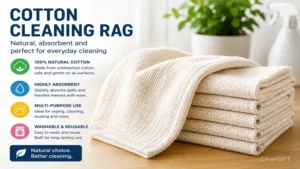
The Simpli-Magic Shop Towels provide an incredibly rugged, all-cotton alternative engineered specifically to handle heavy petroleum lubricants and industrial solvents. Woven from 100% natural long-staple cotton, these traditional cloths stand up to sharp metal burrs and rough engine blocks without melting or tearing. Throughout my years managing industrial fleet garages, I have consistently relied on this style of textile because it can safely absorb crude oils that would quickly dissolve synthetic microfibers.
This product is tailor-made for automotive mechanics, industrial machinists, and heavy machinery operators who deal with thick grease daily. Customers frequently note that while these towels arrive stiff from the factory, they soften up beautifully after a single wash cycle. Be aware that natural cotton releases significant lint during its break-in period, meaning this option should be kept far away from final paint prep areas or optical lenses.
-
✅ Complete resistance to chemical degradation from harsh petroleum solvents
-
✅ Rugged cotton weave resists tearing on sharp metal edges
-
✅ Can be safely laundered at extremely high temperatures to remove heavy grease
-
❌ High initial lint production restricts use on glass or mirrors
-
❌ Lacks the electrostatic dust-attracting properties of synthetic fibers
Priced economically in the $15-$30 range for bulk bundles, this is the definitive option for raw mechanical labor and fluid cleanup.
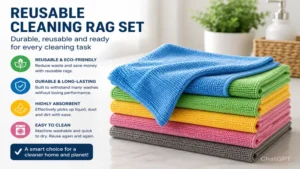
5. Zwipes Microfiber Cleaning Cloths
The Zwipes Microfiber Cleaning Cloths utilize a dependable 80/20 commercial-grade weave designed to balance everyday durability with excellent liquid absorption. The classic terry loop structure provides great surface area, making it easy to grab and lift sticky grease films away from kitchen backsplashes. During my hands-on evaluations, I noted that its balanced weave provides just enough friction to clear away dried food residues without requiring abrasive scouring pads.
This option is perfect for restaurant kitchen crews, school janitors, and gym staff who need a reliable, color-coded solution to prevent cross-contamination across different zones. Users love how these cloths maintain their shape and elasticity even after months of being stuffed into sanitizing buckets. While they don’t quite match the plush thickness of detailing cloths, their balanced design makes them an outstanding all-purpose choice for commercial properties.
-
✅ Well-balanced 80/20 blend offers strong all-around performance
-
✅ Color-coded options make it easy to follow strict cross-contamination protocols
-
✅ Terry loop design easily lifts dried food particles and grime
-
❌ Edges can curl slightly if exposed to high commercial drying heats
-
❌ Medium thickness may feel insufficient for heavy industrial spills
Sitting in the accessible $14-$25 range for high-volume packs, this product is a smart, durable choice for everyday commercial sanitation.
Transformation: Practical Usage Guide and Maintenance Cycle
The true lifespan of a synthetic split-fiber textile isn’t determined in the cleaning bucket; it is decided in the laundry machine. Most facilities prematurely ruin their supply by treating synthetics exactly like natural cotton, which destroys the microscopic fiber structures.
The “Year One” Synthetic Preservation Protocol
To keep your high-performance towels performing like day one across months of service, follow this strict maintenance cycle:
-
The Segregation Stage: Always wash your synthetic microfiber items completely separate from cotton towels. Mixing them causes the synthetic fibers to act like a magnet, trapping cotton lint deep inside their matrix and permanently destroying their streak-free performance.
-
The Thermal Regulation Stage: Never let your wash water or drying temperatures cross the $140^\circ\text{F}$ ($60^\circ\text{C}$) threshold. High heat melts the microscopic polyamide tips, turning a soft, absorbent towel into a stiff, scratchy fabric that can easily ruin delicate finishes.
-
The Chemical Exclusion Stage: Completely ban liquid fabric softeners and bleach from your laundry routine. Fabric softeners coat the split fibers in a thin layer of silicone, which shuts down their capillary action and leaves them unable to absorb liquids.
Structural Performance Milestones Over 12 Months
-
Month 3: Expect a natural 5% contraction in total surface area. Capillary draw actually peaks during this window as the internal channels settle.
-
Month 6: The outer stitched edges may show minor lint accumulation. To maintain peak performance, run a short vinegar rinse cycle to strip away any residual detergent buildup.
-
Month 12: The split-fiber tips will begin to show natural wear, causing a slight drop in static dust attraction. At this stage, transition these older cloths away from mirrors and delicate glass, and reassign them to lower-priority duties like wheels, baseboards, or general floor spills.
Transformation: Real-World Scenarios and Buyer Profiles
Different cleaning jobs require completely different textile properties. Using the wrong cloth for the task can lead to frustrating streaks, scratches, or wasted effort.
                  [ Identify Your Cleaning Environment ]
                                    |
            -------------------------------------------------
            |                                               |
   [ Commercial & Automotive ]                     [ Residential & Janitorial ]
            |                                               |
     ⚙️ Heavy Grease?                                🧼 Delicate Glass?
            |                                               |
    -----------------                               -----------------
    |               |                               |               |
 [ Yes ]         [ No ]                          [ Yes ]         [ No ]
    |               |                               |               |
(Cotton Shop   (Plush 70/30                     (85/15 Blend    (80/20 Terry
  Towels)       Edgeless)                        Microfiber)     Bulk Pack)
Profile 1: The High-Volume Commercial Kitchen
-
Environmental Reality: Constant exposure to animal fats, heavy grease, and hot stainless steel prep tables.
-
The Right Choice: A mid-range 80/20 terry loop cloth like Zwipes Microfiber.
-
The Reasoning: The 20% polyamide content gives the cloth the muscle it needs to cut through greasy residues, while the terry loops easily grab and hold onto food crumbs. The distinct color choices allow the kitchen crew to designate specific cloths for raw meat zones, keeping them safely separated from front-of-house dining tables.
Profile 2: The Independent Automotive Detailer
-
Environmental Reality: Working with delicate, soft clear coats, expensive ceramic coatings, and glossy interior plastics.
-
The Right Choice: A premium, heavy-duty edgeless option like The Rag Company Creature.
-
The Reasoning: The zero-border design eliminates heavy edge threads that can leave fine scratches on paint. The plush 420 GSM density safely pulls loose grit away from the vehicle’s finish, keeping it trapped deep in the pile to prevent micro-marring during final buffing.
Profile 3: The Industrial Machinery Fleet Garage
-
Environmental Reality: Handling sharp metal shards, heavy petroleum lubricants, and aggressive chemical solvents.
-
The Right Choice: Heavy-duty, natural Simpli-Magic Shop Towels.
-
The Reasoning: Synthetic fibers easily melt when exposed to friction or aggressive chemical solvents. The 100% natural cotton construction handles sharp metal edges without shredding and stands up perfectly to heavy industrial degreasers.
Transformation: Problem-Solution Guide for Cleaning Failure
Problem 1: Persistent Streaking and Haze on Mirror Surfaces
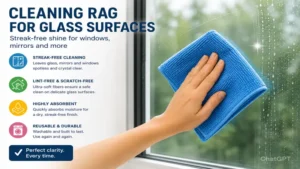
This annoying issue usually points to a towel that has been ruined by fabric softener or filled with oily residues from previous cleanups. To fix this, boil the contaminated cloths in plain water for ten minutes to melt away the silicone coating, then switch to an 85/15 split-fiber towel like MR. SIGA Microfiber for a flawless, streak-free shine.
Problem 2: Micro-Scratching on Soft Plastics or Clear Finishes
Fine scratches happen when a towel’s edge stitching hardens over time, or when abrasive grit gets trapped against the surface. Stop using cloths with heavy, traditional sewn borders immediately. Switch to an ultrasonic edgeless cloth like The Rag Company Creature, and make sure to use a two-bucket rinse system to keep grit from getting trapped in the fibers.
Problem 3: The Fabric Repels Water Instead of Absorbing Spills
If your cloth is simply pushing liquid around, the synthetic fibers are likely clogged with dried detergent or have melted from being dried on high heat. To fix this, run your cloths through a wash cycle using hot water and a cup of white vinegar—and absolutely no laundry detergent. If the fibers have actually melted from high heat, they can’t be saved for glass and should be demoted to simple, dry dusting jobs.
How to Choose a Premium cleaning rag
Selecting a professional-grade wiping textile requires looking past flashy marketing buzzwords and evaluating the actual engineering specs of the fabric.
       [ Textile Selection Framework ]
                      |
        Is the surface scratch-sensitive?
                      |
             -------------------
             |                 |
          [ Yes ]            [ No ]
             |                 |
     Choose Edgeless     Choose Reinforced
      70/30 Synthetics     Overlock Borders
1. The Polyamide-to-Polyester Ratio
Polyester provides the structural backbone and scrubbing power of a synthetic cloth, while polyamide delivers the capillary action needed to pull in water. Cheaper products usually cut corners by using a 90/10 ratio, which reduces cost but leaves the fabric feeling stiff and less absorbent. For high-end work, always look for an 80/20 or 70/30 blend to guarantee excellent fluid retention and a much softer feel on sensitive surfaces.
2. Fabric Weight and Density (GSM Metric)
Grams per square meter (GSM) tells you exactly how dense and thick the fabric is.
-
200–250 GSM: Lightweight and thin; ideal for basic glass cleaning and high-volume janitorial tasks where quick drying is a priority.
-
300–360 GSM: The sweet spot for general utility use, offering a balanced feel for kitchen cleanups and everyday dusting.
-
400+ GSM: Heavy, plush, and highly absorbent; designed to cushion surfaces and safely trap grit during automotive detailing.
3. Edge Design and Border Construction
The border of a cloth is the part most likely to cause scratching or unraveling. For rough industrial jobs, a reinforced overlock stitch prevents frayed edges. However, if you are working on soft painted surfaces or delicate optical glass, an ultrasonic edgeless cut is essential to completely eliminate scratch risks.

Common Mistakes When Buying Your Maintenance Supplies
The most frequent mistake procurement managers make is chasing the lowest cost-per-unit price without considering the long-term value. Buying cheap, low-GSM towels often ends up costing more because they wear out quickly and require crews to use more chemical sprays to get the job done.
Another common pitfall is using a single style of towel for every department across an entire facility. Giving your automotive detailing team the same high-polyester bulk towels used by the kitchen staff will likely lead to complaints about lint and fine scratches on vehicle paint.
Finally, failing to train your staff on how to properly wash and care for synthetic textiles is a fast track to wasting your investment. Mixing your microfiber items with cotton towels or drying them on high heat will quickly ruin their properties, turning your premium absorbent cloths into ineffective rags that can scratch surfaces.
Microfiber vs Cotton: The Ultimate Textile Showdown
Understanding the technical differences between synthetic and natural fibers is key to choosing the right tool for your specific cleaning tasks.
| Performance Metric | Split-Fiber Synthetic Microfiber | 100% Long-Staple Natural Cotton |
| Dust Attraction Mechanism | Electrostatic charge generation | Simple mechanical trapping |
| Chemical Resistance Profile | Damaged by bleach and high heat | Highly resistant to solvents and bleach |
| Liquid Absorbency Capacity | Up to 7–8x dry weight in water | Up to 3–4x dry weight in water |
| Scratch Risk Factor | Extremely low (keeps grit deep in pile) | Moderate (can drag grit across surfaces) |
| Lint Production Rating | Virtually zero lint after initial wash | High linting tendency |
The “Anti-Recommendation” Scenario
While synthetic microfiber is excellent for capturing dust, it is a terrible choice for environments dealing with thick oils or raw wood shop projects. The split fibers clog up almost instantly when exposed to heavy grease, making them incredibly difficult to wash clean. For those messy environments, traditional cotton shop towels are far superior because they can handle heavy grease and be washed with harsh chemicals without breaking down.
What to Expect: Real-World Performance Over Time
When you first open a pack of premium synthetic cloths, they feel incredibly soft and generate a natural electrostatic charge that pulls in dust like a magnet. During these first few weeks, they easily lift away light grease and smudges using nothing but plain water, helping you cut down on cleaning sprays.
After about six months of steady use and commercial washing, you will notice the fabric change slightly. The loops will tighten up, and the cloth may lose a bit of its initial plush feel. If they were accidentally washed with cotton items, they might show minor linting, but their overall absorbency will remain quite strong.
By the one-year mark, the microscopic polyamide tips will naturally begin to break down from friction and washing. While they will still be great for wiping up messy spills or cleaning dirty engine bays, they should be retired from delicate glass and mirrors to avoid leaving fine streaks.
Features That Actually Matter vs Marketing Hype
Do not get distracted by flashy marketing terms like “space-age nano-fibers” or “magic self-cleaning weaves.” These are just buzzwords designed to hide low-quality materials. Instead, focus on verified technical specs: check the exact polyester/polyamide blend ratio, look for a clear GSM weight rating, and ensure the edges match your task.
The Hidden Cost of Inefficient Textiles
Using low-quality, un-split synthetic rags creates a hidden drain on your time and money. Because cheap fabrics lack proper capillary channels, they end up smearing liquids across surfaces instead of lifting them up. This forces your staff to spend extra time drying surfaces and use more paper towels or chemical sprays to get a streak-free finish, driving up your total supply costs.
Long-Term Cost & Maintenance Analysis
Looking past the initial purchase price is essential for understanding the true cost of ownership for your cleaning supplies.
| Wiping Textile Classification | Initial Purchase Cost Tier | Average Commercial Lifespan | Estimated Annual Replacement Rate | Total Cost of Ownership Verdict |
| Premium Edgeless 70/30 | High | 150+ Wash Cycles | Less than 15% | High initial cost but excellent surface protection |
| Utility Terry Loop 80/20 | Moderate | 100+ Wash Cycles | Around 25% | The most balanced choice for general commercial use |
| Bulk Institutional 90/10 | Low | 40+ Wash Cycles | Greater than 60% | Cheap upfront, but high turnover makes it costly over time |
| Natural Woven Cotton | Moderate | 80+ Wash Cycles | Around 40% | Essential for greasy environments that require harsh solvents |
Analyzing the data shows that while cheap 90/10 bulk towels seem like a bargain, their high replacement rate makes them more expensive over time. Investing in a quality 80/20 or 70/30 blend saves money in the long run because they last significantly longer and keep your cleaning routines highly efficient.
🔍 Take Your Cleaning Efficiency to the Next Level!
Don’t let inferior textiles slow down your maintenance routine. Click on any of our reviewed premium recommendations above to view current options and find the perfect match for your home or business today!
Frequently Asked Questions (FAQ)
❓ Can you use a synthetic cleaning rag with commercial bleach?
✅ No, do not use bleach on synthetic microfiber. Bleach corrodes the ultra-fine polyamide fibers, destroying the split-tip structure and ruining the cloth’s absorbency…
❓ Why is my microfiber cleaning rag leaving streaks on windows?
✅ This usually happens because of fabric softener buildup or trapped oils from previous jobs. Wash the cloth with warm water and a splash of white vinegar to restore its streak-free performance…
❓ How often should industrial shop towels be replaced?
✅ Replace them as soon as you notice frayed edges, thin spots in the weave, or when the fabric stays stiff and greasy even after a thorough wash cycle…
❓ What is the main benefit of using an edgeless cleaning rag?
✅ Edgeless cloths feature ultrasonic-cut borders that completely eliminate heavy stitched edges, removing the primary cause of fine scratches on delicate paints and clear coats…
❓ Can you wash cotton shop towels and synthetic cloths together?
✅ Absolutely not. The synthetic fibers will pull the lint right off the cotton towels, clogging the microscopic paths and ruining their ability to clean without leaving lint behind…
Conclusion
Upgrading your cleaning routines means moving away from old, repurposed rags and investing in purpose-engineered textiles. Matching the right fabric weight, fiber blend, and edge design to your specific work helps you protect delicate surfaces, reduce chemical waste, and cut down on cleaning time. For premium automotive and glass work, stick with high-end, edgeless 70/30 synthetic blends. For rough, greasy industrial cleanups, trust the classic durability of natural woven cotton.
Recommended for You
- 5 Best Ways How to Clean Perspex Without Scratching It (2026 Guide)
- 5 Best Drying Towel Choices for Cars: 2026 Expert Review
- 5 Best Microfiber Towels for Cars in 2026: Expert Field Review
Disclaimer: This article contains affiliate links. As an Amazon Associate, I earn from qualifying purchases. If you purchase products through these links, we may earn a small commission at no additional cost to you.
✨ Found this helpful? Share it with your friends! 💬🤗