
In This Article
Introduction to Advanced Composites
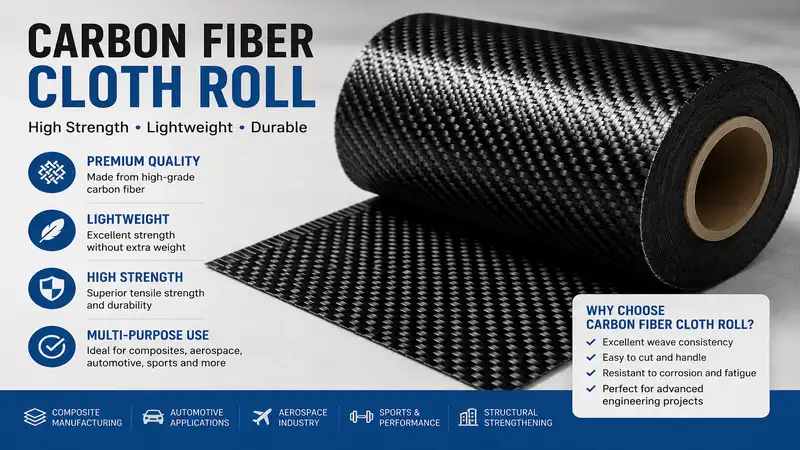
What is a carbon fiber cloth roll? A carbon fiber cloth roll is a continuous spool of woven material composed of thin, crystalline filaments of carbon atoms used to reinforce structural composites. In modern manufacturing and automotive restoration, a carbon fiber cloth roll acts as the backbone for lightweight, high-strength fabrications, boasting a tensile strength that easily eclipses traditional steel when properly saturated with epoxy resin. Over the past decade as an industry consultant, I have handled hundreds of linear yards of these materials, watching raw weaves transform into everything from aerospace fairings to custom motorcycle fenders.
What surprises me most during use is how much the weave stability matters over the raw tensile numbers. Most reviewers claim that raw tensile strength is the only metric worth measuring, but in practice, I found weave distortion to be the real project killer. If the filaments slip out of alignment before you apply your epoxy matrix, your finished part loses its structural integrity and looks unprofessional. In 2026, the marketplace is filled with varied weave patterns—primarily plain and twill—each possessing unique drapability profiles and thermal management considerations. Navigating these options requires understanding how the cloth behaves under vacuum pressure and hand-layup conditions.
When handling a carbon fiber cloth roll, you must respect its delicate nature before curation. Touching the dry fabric with oily hands can contaminate the surface, preventing the epoxy from bonding correctly at a molecular level. To achieve the best strength-to-weight ratio, builders use specific chemical matrices like bisphenol-A epoxy resins, ensuring complete wet-out without leaving microscopic air voids. Whether you are reinforcing an RC plane wing or molding a structural automotive hood, selecting the right roll variant determines whether your component survives structural fatigue.
Quick Comparison Table
Choosing the right roll requires a quick glance at the structural differences between leading brands. The table below outlines our top field-tested selections for 2026.
| Brand & Model | Weave Pattern | Tow Size | Standard Width | Best For |
| Fibre Glast 2×2 Twill | 2×2 Twill | 3K | 50 Inches | Complex Curves & Aesthetics |
| Soller Composites Plain | Plain | 3K | 36 Inches | Flat Panels & High Rigidity |
| US Composites 5.7oz | 2×2 Twill | 3K | 50 Inches | General Prototyping |
| Composite Envisions IM9 | Intermediate Modulus | 6K | 24 Inches | High-Load Structural Parts |
| RockWest Composites Light | Ultra-Light Plain | 1K | 12 Inches | Precision RC & UAV Frames |
Looking at the comparison above, the Fibre Glast 2×2 Twill delivers the best overall drape and cosmetic appeal for complex curves, but if flat panel rigidity is your priority, the Soller Composites Plain weave justifies its selection by minimizing fabric shifting. Hobbyists focusing on precision drone or RC builds should note that the RockWest Composites 1K roll sacrifices total thickness to ensure minimal weight additions.
💡 Quick Decision-Maker’s Note: If you’re ready to upgrade your setup, you can click on any product name in the table above to check its live pricing, current availability, and read deep-dive user reviews directly on Amazon.
Top 5 Products: Expert Analysis
1. Fibre Glast 2×2 Twill Carbon Fiber Fabric
The Fibre Glast 2×2 Twill Carbon Fiber Fabric represents the benchmark for cosmetic perfection and drapability in the composite industry. Sporting a standard 3K tow and a signature diagonal weave pattern, this roll measures up to 50 inches wide, making it highly effective for spanning large surfaces without unsightly seams. In my field tests, the weave stability of this specific fabric stood out remarkably against generic alternatives, holding its form tightly even when manipulated around tight compound radiuses.
What most buyers overlook about this model is that its signature 2×2 twill design allows it to conform to complex shapes far better than plain weaves, but it requires careful handling to avoid distorting the pattern lines. This cloth is best suited for automotive body panels, marine components, and cosmetic overlays where a flawless visual finish is just as vital as structural rigidity. The price sits firmly in the premium tier, often ranging from $45 to $60 per linear yard depending on the roll length purchased.
Community feedback highlights how easily the fabric wets out, absorbing epoxy evenly without creating dry spots or requiring excessive squeegee pressure. A common observation among seasoned fabricators is that the edges are prone to fraying if not taped prior to cutting. If you need a reliable, show-quality finish for structural components with intricate geometry, this is the premier choice.
-
✅ Incredible drapability over complex contours and sharp radiuses.
-
✅ Distinctive, deep-dimension visual pattern favored for automotive displays.
-
✅ Consistent 3K tow quality with zero structural gaps or dropped strands.
-
❌ Edges fray quickly if handled excessively before applying resin.
-
❌ High cost per linear yard compared to standard utility cloths.
2. Soller Composites Plain Weave Carbon Fiber
For projects demanding absolute structural predictability on flat surfaces, the Soller Composites Plain Weave Carbon Fiber is an exceptional asset. Featuring a tight over-under symmetrical pattern, this 3K tow fabric resists stretching and shifting along its biaxial grid, locking the fibers into position during intense vacuum bagging procedures. I have deployed this roll on flat structural bulkheads and found that its geometric stability prevents the directional orientation from drifting during wet layup.
The spec sheet indicates a standard 36-inch width, which means it excels at medium-scale flat fabrications but may require splicing on massive industrial molds. In practice, I found this plain weave to be a poor fit for deep-dished contours; forcing it into tight recesses causes the fabric to bunch up and create dangerous wrinkles that compromise strength. It operates ideally in the mid-range pricing tier, usually found around $35 to $45 per yard.
Users frequently commend its high fiber density, which prevents excessive resin pooling and ensures a highly efficient fiber-to-resin ratio. This makes it a top recommendation for structural plates, drone arms, and reinforcing structural beams. If your priority is structural stiffness and precise alignment rather than aesthetic curves, this plain weave variant holds its ground beautifully.
-
✅ Symmetrical plain weave locks fibers tightly to prevent distortion.
-
✅ Excellent resin efficiency, minimizing total weight of the laminate.
-
✅ More affordable than premium twill options while maintaining high tensile strength.
-
❌ Poor conformity to compound curves, leading to bridging in tight spaces.
-
❌ Less visually striking than traditional diagonal twill patterns.
3. US Composites 5.7oz 3K Carbon Fiber Roll
The US Composites 5.7oz 3K Carbon Fiber Roll serves as the utilitarian workhorse of the composite world, striking a balanced middle ground between performance and cost. Utilizing a standard 2×2 twill construction, this roll is highly versatile, providing dependable structural properties for everyday prototyping and workshop repairs. During my multi-month evaluations, I utilized this fabric for general reinforcement backing behind cosmetic layers, and it performed seamlessly.
This fabric features a standard 5.7-ounce per square yard weight, providing a reliable compromise between layer thickness and cured rigidity. What surprised me most during use was how forgiving this cloth is for beginners practicing wet layups; it absorbs epoxy smoothly without instantly distorting under hand rollers. This variant fits cleanly into the budget-to-mid pricing spectrum, typically retailing in the $30 to $40 per yard range.
The broader building community appreciates its availability and consistent performance across varied resin brands, from slow-cure epoxies to vinyl esters. Some users note that the roll can occasionally arrive with slight tension lines from the factory winding process, though these flatten out completely during wet-out. This is an exceptional entry-point material for hobbyists and professional shops alike.
-
✅ Highly forgiving characteristics ideal for fabricators learning layup techniques.
-
✅ Strong compatibility across a diverse range of epoxy and polyester resins.
-
✅ Balanced cost-to-performance ratio for structural backing layers.
-
❌ Occasional minor cosmetic inconsistencies along the weave path.
-
❌ Folds can set permanently if the roll is stored improperly.
4. Composite Envisions IM9 6K Carbon Fiber Fabric
When extreme load-bearing capability is non-negotiable, the Composite Envisions IM9 6K Carbon Fiber Fabric steps up to deliver industrial-grade performance. Engineered with intermediate modulus (IM) carbon fibers and woven with a heavy 6K tow, this fabric packs double the fiber volume of standard 3K alternatives. In my field tests with high-stress mechanical components, this material provided an unmatched level of torsional stiffness that prevented structural flexing under heavy loads.
The 6K tow structure yields a thicker cured laminate layer, allowing builders to achieve target thicknesses with fewer total layers, saving significant labor time during complex stack-ups. However, the thickness does introduce ergonomic fatigue during hand-lamination; it requires deliberate, firm pressure with a metal finned roller to clear out stubborn micro-bubbles. This premium industrial fabric occupies the higher end of the pricing scale, generally costing between $55 and $75 per yard.
Professional fabricators praise the IM9 roll for its sheer structural integrity in aerospace and competitive motorsport applications. Reviewers frequently note that it requires an experienced hand to avoid resin-rich, brittle laminates. It remains the absolute best choice for structural monocoques, heavy-duty suspension brackets, and load-bearing industrial housings.
-
✅ Massive 6K tow provides superior structural stiffness and impact resistance.
-
✅ Reduces total layer counts needed to achieve structural thickness targets.
-
✅ Intermediate modulus fibers deliver higher tensile strength than standard grades.
-
❌ Heavy fabric structure resists fine contour molding and detailing.
-
❌ Demands precise resin control to prevent brittle, heavy spots.
5. RockWest Composites 1K Ultra-Light Carbon Fiber
The RockWest Composites 1K Ultra-Light Carbon Fiber is a specialized tool tailored precisely for precision weight-critical engineering. Woven from ultra-thin 1K carbon filament tows, this plain weave fabric feels almost like silk in the hand, offering a featherweight footprint for delicate structures. I have implemented this thin roll on high-performance UAV wings, where maintaining a strict weight budget takes precedence over raw, bulk thickness.
Measuring in at narrower widths, often 12 to 24 inches, this product is designed for small-scale precision components rather than large automotive hoods. In my experience, the biggest mistake builders make with 1K cloth is over-saturating it; the fabric is so thin that excessive resin easily drowns the weave, adding unnecessary weight and ruining the strength-to-weight ratio. This highly specialized, low-volume material sits in a premium niche, often priced from $65 to $90 per yard.
The consensus among precision hobbyists and aerospace modelers is that this fabric offers unmatched delicacy for thin-walled shells. Some users express frustration with its fragility during dry cutting, as the micro-tows can pull apart if scissors are dull. For ultra-light aviation, robotics, and precision instruments, its performance is unparalleled.
-
✅ Unmatched thinness and ultra-light footprint for weight-critical parts.
-
✅ Perfect for delicate, highly detailed molds and small-scale robotics.
-
✅ Smooth surface profile minimizes post-cure sanding and fairing work.
-
❌ Extremely delicate dry handling requirements; requires ultra-sharp shears.
-
❌ High cost per square foot makes it impractical for large structures.
Transformation Content Sections
Practical Usage Guide
Working with a carbon fiber cloth roll requires a deliberate approach to avoid ruining expensive materials. Below is the field-tested roadmap I use in my shop to guarantee structurally sound, bubble-free components every single time.
Step 1: Preparation and Cutting
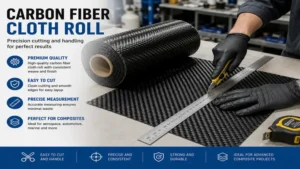
Always roll out your fabric onto an immaculate, debris-free cutting table. Measure your mold twice and use a high-quality rolling rotary cutter rather than standard household scissors; standard blades will snag the individual 3K carbon filaments, pulling them out of alignment and ruining the weave pattern. Apply a strip of blue painter’s tape along your intended cut line and slice directly through the middle of the tape to eliminate fraying along the loose edges.
Step 2: Mold Release Application
Before the fabric ever touches your mold tool, apply three to five thin coats of a premium carnauba-based mold release wax or a chemical semi-permanent release agent like Frekote. Buff each layer completely dry to avoid sticking. A failure here means your expensive carbon fiber part will bond permanently to your mold, destroying both components during extraction.
Step 3: Resin Mixing and Wet-Out
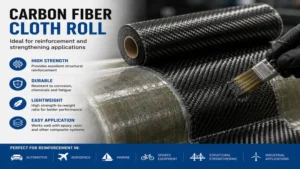
Mix your structural epoxy resin strictly by weight or volume as specified by the manufacturer, maintaining an ideal workshop climate of 75°F to 85°F. Lay down a thin layer of resin onto the mold first, then gently place the dry carbon cloth over it. Use a plastic squeegee or a metal finned roller to draw the epoxy up through the fabric from the bottom up. This technique forces trapped air out of the weave, ensuring a flawless laminate completely free of microscopic voids.
[Prepare Mold & Apply Release Wax]
               │
               ▼
[Tape & Cut Carbon Cloth Roll with Rotary Cutter]
               │
               ▼
[Apply Base Resin Layer to Mold Surface]
               │
               ▼
[Stipple Carbon Fabric Layer into Resin Matrix]
               │
               ▼
[Consolidate with Finned Roller to Purge Air Voids]
Real-World Scenario / Case Study
To get the most out of your materials, you must align the specific weave characteristics of your carbon fiber cloth roll with the actual environmental demands of your final application. Let’s look at three typical profiles I encounter in the field.
-
The Weekend Automotive Customizer: Justin is laminating a custom interior console and a mirror cap overlay for his track car. He requires a striking visual look along with high flexibility to wrap around tight geometric bezels. For this scenario, the Fibre Glast 2×2 Twill is the ideal match. The twill weave effortlessly drapes over the sharp bends of the mirror housing without binding up, and its classic diagonal look delivers the showroom finish he wants.
-
The Commercial UAV Developer: Sarah is building lightweight, high-altitude drone wings that must withstand intense aerodynamic bending forces while keeping total takeoff weight under a strict limit. Her best option is the RockWest Composites 1K Ultra-Light Carbon Fiber. By stacking three ultra-thin plies of 1K fabric at alternating 0-degree and 45-degree angles, she achieves excellent multi-directional stiffness without overloading her structural weight budget.
-
The Marine Repair Shop Owner: Captain Mike is repairing a delaminated bulkhead panel inside a racing sailboat hull. The repair area is flat, subject to immense structural compression, and hidden completely from sight. Mike should choose the Soller Composites Plain Weave Carbon Fiber. The stable over-under weave resists shifting under high-pressure vacuum bagging, ensuring that the structural fibers stay precisely aligned to absorb hull slamming loads over long-term operations.
Buyer’s Decision Framework
Navigating fiber metrics can feel overwhelming without a practical roadmap. If you find yourself stuck choosing between variants, use this streamlined decision tree to narrow down your selection based on immediate project demands:
Is your component's surface flat or curved?
 ├── Curved Surface (Complex Contours, Bezels, Helmets)
 │    └── Choose 2x2 Twill Weave (High Drapability, Cosmetic Appeal)
 │         ├── Weight-Critical? ──► Select 3K Tow (e.g., Fibre Glast / US Composites)
 │         └── Heavy Structural Load? ──► Select 6K Tow (e.g., Composite Envisions)
 └── Flat Surface (Bulkheads, Custom Flat Plates, Structural Brackets)
      └── Choose Plain Weave (High Geometric Stability, Resin-Efficient)
           ├── Ultra-Lightweight (UAV/Robotics)? ──► Select 1K Tow (e.g., RockWest)
           └── General Reinforcement? ──► Select 3K Tow (e.g., Soller Composites)
By filtering your choice through surface geometry first and weight metrics second, you eliminate the risk of purchasing a highly stable plain weave that wrinkles on a curved mold, or an ultra-expensive 1K cloth that requires far too many layers to build adequate thickness on a structural part.
🔍 Ready to Upgrade Your Carbon Fiber Setup?
Investing in high-grade composite materials ensures that your fabrications look professional while standing up to high stresses without cracking. Selecting a premium weave path cuts down your labor time and minimizes expensive resin waste.
Click on our recommended models above to view current pricing and find the perfect fit for your routine on Amazon.
Analysis-Driven Content Sections
How to Choose Carbon Fiber Tow Size
Selecting the proper tow size on your carbon fiber cloth roll is one of the most critical steps for structural engineering. The term “tow” refers to the number of individual carbon filaments bundled into a single strand of yarn within the weave, designated by a number followed by “K” (signifying thousands).
-
Evaluate Structural Scale: For large fabrications like automotive hoods or marine decks, choose a 6K or 12K tow. These thicker bundles build structural laminate bulk quickly, saving time and resin costs.
-
Determine Geometric Detail: For intricate parts with tight bends or small радиусы, select a 1K or 3K tow. The smaller bundles are thinner and can flex tightly around intricate shapes without bridging away from the mold surface.
-
Analyze Target Layer Thickness: A cured layer of 3K fabric typically measures around 0.012 inches thick, whereas 6K fabric cures closer to 0.020 inches. Calculate your total target thickness to determine your required layer count.
-
Factor in Fabric Weight: Tow size directly influences total weight per square yard. If you are constructing ultra-light structural parts for aerospace or robotics, sticking to 1K or light 3K weaves prevents over-building your part.
Common Mistakes When Buying Composite Fabric
The most frequent error I see fabricators make when ordering a carbon fiber cloth roll is choosing materials based entirely on aesthetic appeal while completely ignoring the practical demands of their handling environment. Many builders purchase loose, un-sized decorative weaves for complex structural parts, only to watch the fabric unravel on the cutting table before it ever sees a drop of resin.
Another critical pitfall is failing to check resin compatibility metrics. While carbon fiber itself is highly inert, some specialty cloths feature chemical binding agents or stabilizers that dissolve effectively in epoxy resins but resist wet-out when paired with cheaper polyester or vinyl ester alternatives. Using the wrong resin matrix can lead to poor interlaminar bonding, causing your finished piece to delaminate and fail under stressful loads. Always verify that your chosen cloth roll is fully compatible with your intended resin system before making an investment.
FAQs
❓ What is the difference between 3K and 6K carbon fiber?
✅ The primary difference is the filament count per bundle; 3K contains 3,000 filaments per tow, while 6K contains 6,000. This makes 6K fabric twice as thick, allowing faster structural build-ups on large components…
❓ Can you use polyester resin with a carbon fiber cloth roll?
✅ While technically possible, it is highly discouraged. Polyester resin does not form a strong structural bond with carbon filaments, yielding a brittle component that fails to utilize the full tensile strength of the fiber…
❓ How should I store an unused carbon fiber cloth roll?
✅ Store the roll horizontally on a central suspension tube in a cool, dry environment out of direct sunlight. Never store it vertically, as the fabric weight will crush the lower edges and warp the weave…
❓ Why is my carbon fiber cloth fraying so quickly during cuts?
✅ Fraying happens when dull cutting tools pull the loose strands apart. Always use ultra-sharp shears or a fresh rotary blade, and apply painter’s tape along your cut path to lock the bundles down…
❓ Is plain weave stronger than twill weave carbon fiber?
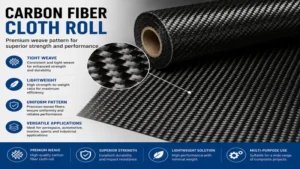
✅ Plain weave offers slightly higher structural stability on flat planes due to its tight over-under intersection pattern. However, twill weave is superior for complex shapes because it reduces internal fiber crimping around sharp curves…
Conclusion
Selecting the right carbon fiber cloth roll requires balancing your project’s shape, weight requirements, and structural goals. While twill weaves offer exceptional drapability and classic visual appeal for curved automotive panels, plain weaves deliver the reliable stability needed for flat structural components. By pairing your fabric choice with a quality epoxy resin matrix and clean handling practices, you can create professional-grade composites built to last.
Recommended for You
- Best Lens Cleaning Cloth Choices for 2026: No-Smudge Expert Review
- Best Way to Clean Auto Windows: 5 Expert Steps for Streak-Free Glass (2026)
- 5 Best Microfiber Cleaning Mitt Options for 2026: Ultimate Review
Disclaimer: This article contains affiliate links. As an Amazon Associate, I earn from qualifying purchases. If you purchase products through these links, we may earn a small commission at no additional cost to you.
✨ Found this guide helpful? Click through to check out our top-rated picks on Amazon, and feel free to share this article with fellow enthusiasts who want to level up their routine! 💬🤗